Almost everyone who finally books an intimate-health visit says a version of the same thing afterward: "that was so much easier than I built it up to be." The fear is real, but it's almost always about the unknown — not the visit itself. So let's remove the unknown entirely and walk through exactly what a first visit looks like.
Before you arrive
It starts with a message, on whatever channel feels easiest — the website form, WhatsApp, Viber, a call, or Facebook. A real person replies, usually within hours. The confirmation uses neutral language: no mention of why you booked. You're given an appointment time scheduled so it doesn't overlap with anyone else's, because the clinic sees one patient at a time.
If you'd like, you can also complete a short self-assessment online beforehand. For sexual-health concerns, our 3-minute Sexual Wellness Self-Check gives you a private result you can bring in — which means the conversation in the room starts further along and feels less like starting from zero.
Arriving
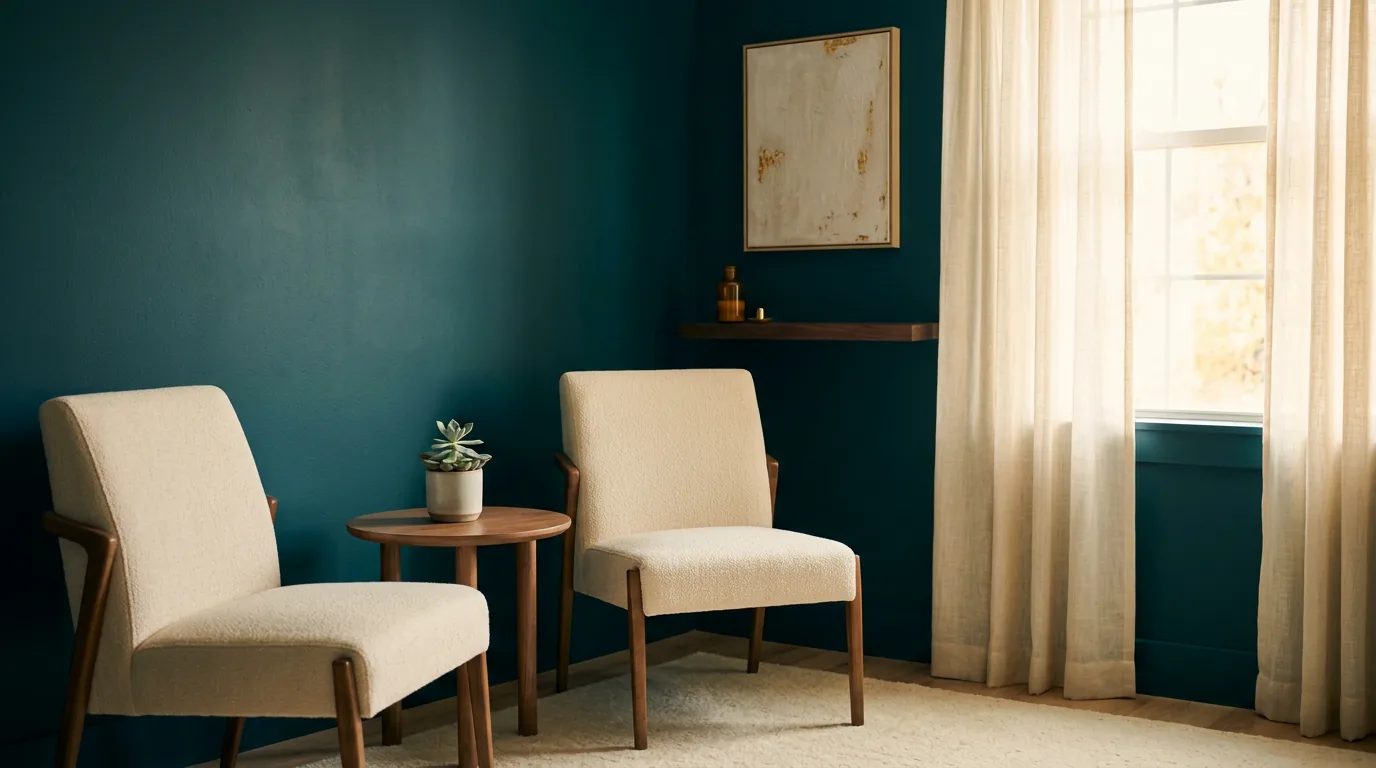
You arrive at a quiet Makati building and come up to a private second-floor unit — not a street-front door you are seen walking into. There's no crowded reception and no waiting room full of other people. You're greeted by name, or by initials if that's how you booked. The environment is deliberately calm and unclinical.
The conversation
This is the core of the visit, and it's exactly that — a conversation. The clinician sits across from you, not behind a barricade of a desk, and usually opens simply: "What can I help you with today?" or, in Taglish, "Anong concern natin today?"
You share what brought you in — only what you're comfortable saying. Some people lead with the issue directly; others need a question or two before the real concern surfaces. Both are completely normal. The clinician has had this conversation many times and won't react, flinch, or moralise. There's no judgment about anything — not your history, not your habits, not the question you were embarrassed to ask.
Questionnaires and assessment
Depending on your concern, the clinician may walk you through a brief validated questionnaire — for example, the IIEF-5 for erectile function. These turn a vague worry into something concrete and measurable, which most people find reassuring rather than intimidating. If you completed the online self-check beforehand, this part is even quicker.
What about a physical examination?
This is the part people dread most, so here's the honest answer: at a first visit, there is often no physical examination at all. Many concerns are fully assessed through conversation and history. If an examination is genuinely relevant to your situation, the clinician explains why first, and it only happens with your consent — never as a surprise, never without your say-so. You remain in control of the whole visit.
You are never examined without being told why and asked first. Nothing happens in the room that you haven't agreed to.
Options, and no pressure
Once the picture is clear, the clinician talks you through the realistic options — what they involve, what they cost, and what to expect. And then, importantly: there's no pressure to decide on the spot. Many people use the first visit purely to understand their situation, then go home to think or talk it over with a partner. A clinic that pushes you to buy a package before you leave is telling you something about how it operates — and it isn't a good sign.
How confidentiality actually works
Discretion isn't a slogan here; it's built into the mechanics:
- One patient at a time — no overlap, no shared waiting room, no chance of running into someone you know.
- Neutral communication — reminders and receipts don't state your reason for visiting.
- Protected records — kept under medical confidentiality, covered by the Philippine Data Privacy Act (RA 10173).
- Nothing shared without consent — not with family, not an employer, not an insurer, unless you authorise it in writing.
The most common reaction afterward
Across the people we see for a first visit, the most frequent response at the end is some version of "I should have come sooner." Partly because the visit is shorter and far less exposing than imagined. Partly because the relief of finally saying the thing out loud, to someone who didn't flinch, is bigger than expected. The hard part really is just the decision to walk through the door — and now you know exactly what's on the other side of it.